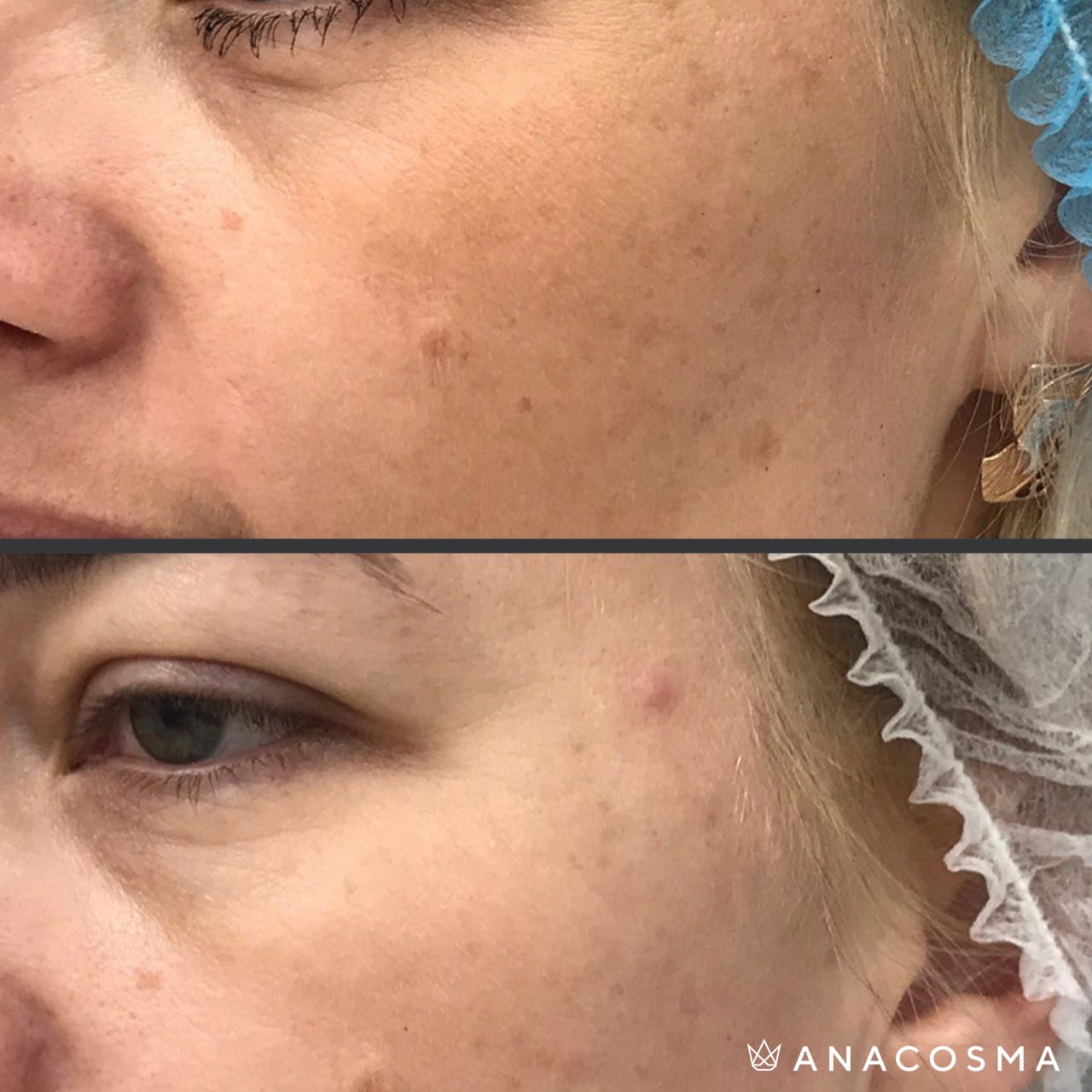
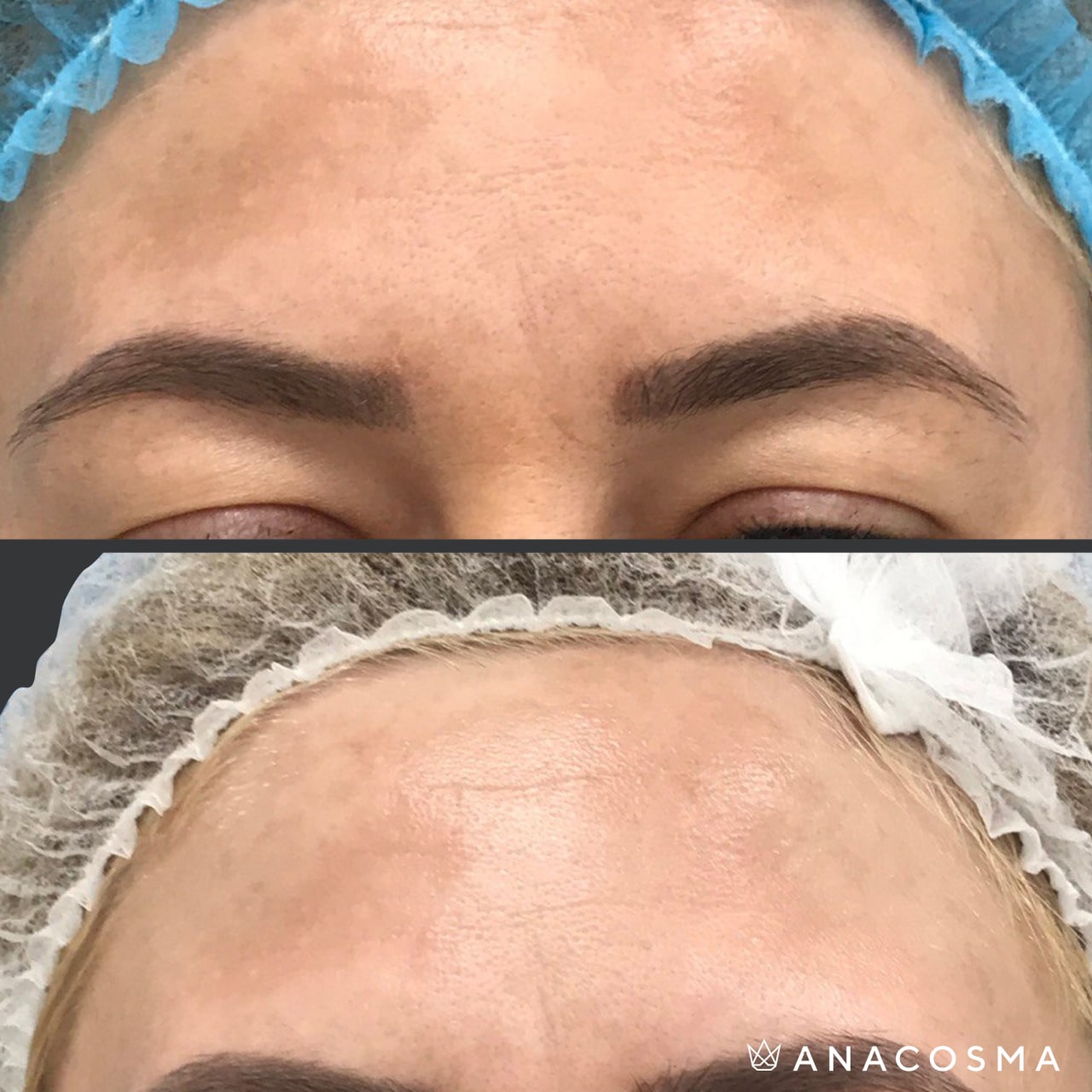
Cutera LimeLight Removal of Pigment Spots
Get rid of pigment spots for good just in 1 procedure! Make your skin young, radiant, and even-toned!

5 votes, average 5.00 from 5


Get rid of pigment spots for good just in 1 procedure! Make your skin young, radiant, and even-toned!
Pigmentation Spots are darkened areas of the skin caused by an excess of pigment (melanin). These imperfections are referred to as hyperpigmentation. They may appear as freckles, post-acne marks, or spots that are noticeably darker than the surrounding skin tone. Such skin concerns often cause aesthetic discomfort and lead to self-esteem issues. Fortunately, modern cosmetic technologies now allow for the permanent removal of pigmentation spots using laser treatments.
Genetic predisposition
Exposure to ultraviolet (UV) radiation
Endocrine disorders or hormonal imbalance
Liver diseases
Vitamin C deficiency
Medication use
Skin damage: improper treatment of acne or other skin conditions
Burns: sunburn, heat burns, chemical burns
Age-related skin changes
Depending on the amount of melanin in the skin, there are two main types of pigmentation spots:
Hypomelanosis – associated with a lack of pigment under the skin, resulting in the appearance of light spots.
Hypermelanosis – dark spots on the skin caused by an excess of melanin.
These conditions can sometimes be a sign of serious internal imbalances or health issues.
The most common types of pigmentation spots:
Melasma – a general term for hyperpigmentation caused by chronic ultraviolet exposure. It can appear on the body, neck, and face.
Lentigo – small dark spots that develop due to aging and prolonged sun exposure, typically found on the upper torso.
Chloasma – brown or dark yellow patches with irregular borders. They often appear due to excessive sun exposure and hormonal changes, especially in the second half of pregnancy.
Nevus (mole) – a benign, dark, smooth formation composed of melanocyte cells. Most people have between 10 and 40 moles on their skin: some are present at birth, while others appear throughout life.
Freckles – small spots typically located on the face, back, and décolleté. They often fade with age and are not considered pathological, so they don’t usually require medical treatment.
Carrot, cucumber, or parsley masks, as well as celandine leaves, unfortunately do not remove pigmentation spots. The same applies to cosmetic products such as serums, masks, and peels.
Why not?
The epidermis (the outer layer of the skin) consists of five layers: the horny, clear, granular, spinous, and basal layers. These cosmetic and natural remedies only affect the horny layer, which is the outermost. However, melanin, which causes pigmentation spots, is located in the basal (fifth) layer of the epidermis. Therefore, home remedies may only lighten pigmentation but cannot remove it completely.
Properly selected professional skincare products recommended by your cosmetologist or dermatologist can help prevent the formation of new pigment spots.
This method is widely used around the world to remove freckles and other skin discoloration issues. The laser targets only areas affected by hyperpigmentation, while healthy tissue of normal color remains unaffected. One session is typically sufficient to remove a pigmentation spot, although in some cases, multiple treatments may be needed.
Cosmetologists emphasize that to completely and permanently eliminate pigmentation spots, it is important to address not only external but also internal issues in the body. Patients should also follow their doctor’s recommendations on protecting the skin from direct sunlight to minimize the risk of developing new pigmentation spots.
The treatment involves intense pulsed light (IPL) using the Cutera LimeLight applicator. The essence of the method lies in the thermal effect of light energy on the melanin pigment. By applying the device’s handpiece to the skin, the pigment is broken down and gradually removed from the skin’s surface over the next 1–2 weeks.
During the procedure, the client wears protective goggles. A cooling gel is applied to the treatment area. The Cutera device’s applicator is then directed onto the hyperpigmented zones. The beam penetrates only the upper layers of the skin without affecting the subcutaneous tissue or damaging new skin cells. Melanin absorbs the pulse energy effectively. The heat destroys the pigment, breaking it into smaller components, which are then coagulated. As a result, the pigmentation spot darkens slightly, and over the following one to two weeks, it is gently removed from the skin’s surface through the natural cell renewal process of the epidermis.
Laser Pigmentation Removal on the Face with the Cutera Device: Key Advantages
Efficiency – Each light pulse lasts only a fraction of a second.
No long recovery period – This laser treatment does not require extended downtime.
Painless procedure – Clients experience no discomfort during the session.
Cooling applicator – The device’s cooling tip protects the dermis from overheating.
Targeted treatment – The laser precisely targets the pigmented areas without affecting healthy tissue.
Often, a single session is enough, but the number of treatments depends on the depth and quantity of pigmentation spots.
To achieve complete pigmentation removal, 3 to 5 sessions are typically required, spaced 4 weeks apart.
The first visible results usually appear 2 weeks after the procedure.
The treatment is available year-round, but avoid sun exposure and tanning beds for at least 2 weeks prior to your session.
We recommend that our patients combine IPL technology with plasma therapy or Rejuran injections for better results. Additionally, cosmetologists often prescribe at-home skincare with vitamin C, which can enhance the overall effect by up to 30%.
To prevent the appearance of new pigmentation spots, we also advise undergoing a course of French LED light therapy after pigmentation removal.
Regardless of whether you’ve already experienced unwanted pigmentation or not, it’s important to focus on prevention.
To protect your skin from pigmentation, always apply sunscreen with an SPF of at least 30. However, one of the most important steps in preventing hyperpigmentation is moderate sun exposure.
Pigmentation changes often result from improperly performed procedures in cosmetic clinics. That’s why it’s crucial to undergo any skincare treatments only as prescribed by a qualified dermatologist-cosmetologist and in accordance with established protocols.
This also applies to the use of skincare products containing retinol, acids, and other brightening agents. Always follow the manufacturer’s and cosmetologist’s recommendations when using such products.
For those with acne-prone skin, it’s essential to remember that inflammation can lead to post-acne pigmentation spots. Therefore, never perform extractions or deep cleansing procedures at home.
List of references:
This method does not involve a traditional recovery period. After leaving the treatment room, the patient may experience mild redness (hyperemia) for one to a maximum of three days. However, there will be no skin peeling, and any slight redness can easily be covered with regular makeup, allowing you to return to your usual lifestyle immediately.
The pigmentation will gradually fade within one to two weeks. During this period, avoid going outside without sunscreen, and refrain from sunbathing or using a tanning bed.
| № | Areas | Price, UAH |
|---|---|---|
| 1 | One flash | 490 |
| 2 | Face | 6900 |
| 3 | Neckline | 6900 |
| 4 | Forehead | 2800 |
| 5 | Cheeks | 3900 |
| 6 | Upper lip | 1400 |
| 7 | Treatment of post-traumatic pigmentation | 14800 |